Jason Low
4 Articles

Last 30 days
Last 6 months
Last 12 months
Last 24 months
Specific Dates
From:
To:
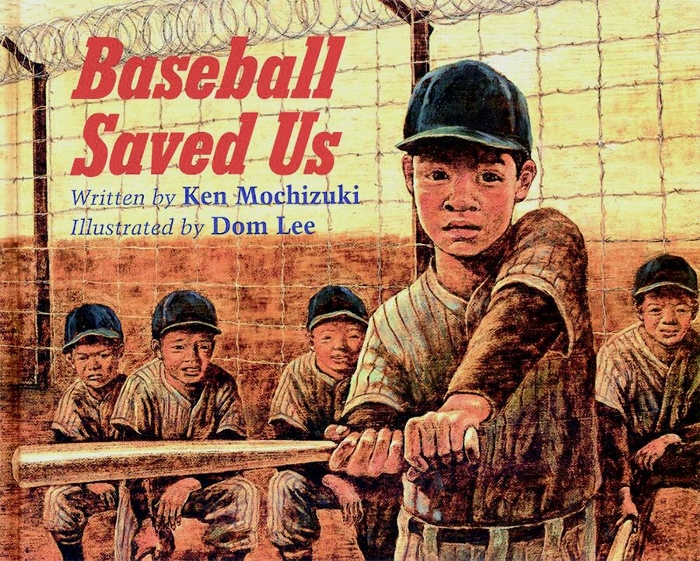
A Publisher's Perspective: Modern-Day Merits of Diverse Books
During the film adaptation of Wicked, the Wizard says, “The best way to bring folks together is to give them a real good enemy.” The terms “diversity” and “DEI” (diversity, equity, and inclusion) have been recently miscast in that role, to mean unskilled people, unfairly hired or otherwise prioritized, and...

A Publisher's Perspective: Three Decades of Inclusive Publishing
In 1991, when Lee & Low Books was founded, the state of diverse books was bleak. Children of color who grew up in the 1990s (or earlier) rarely saw themselves reflected in the pages of a book. Society’s lack of inclusivity led children of color to bend over backward to...
A Conversation with Literary Agents on Diversity and Inclusion
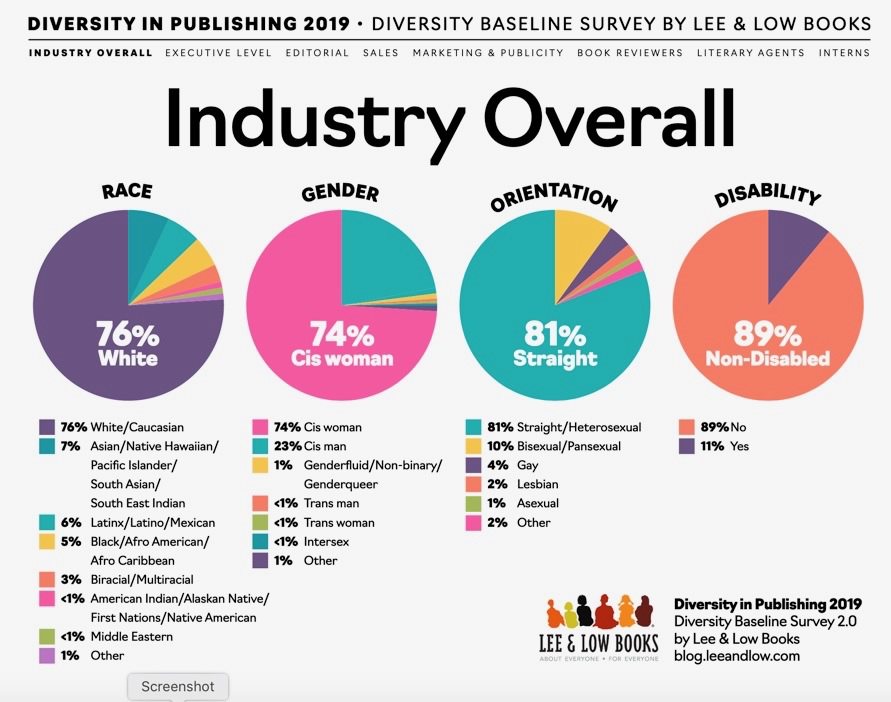
At the beginning of 2020, Lee & Low Books released the second iteration of its Diversity Baseline Survey (DBS 2.0), four years after the first survey was released in 2015. Before the DBS was conducted, people suspected that publishing had a diversity problem, but without hard numbers the extent of that problem was anyone’s guess. Although DBS 2.0 newly includes two more areas of the publishing industry...

Why Sensitivity Readers Matter: (And Why We Should Call Them Something Else)
Last year, one of the controversies that hit the headlines was the use of sensitivity readers in publishing. The New York Times and the Chicago Tribune covered the topic but chose to feature clickbait headlines that included words like outrage and censorship. This led to the usual cacophony of opposing...
ALREADY A SUBSCRIBER? LOG IN
We are currently offering this content for free. Sign up now to activate your personal profile, where you can save articles for future viewing.
ALREADY A SUBSCRIBER? LOG IN
Thank you for visiting.
We’ve noticed you are using a private browser. To continue, please log in or create an account.
