


2018 School Spending Survey Report
Science in your backyard
Outdoor play can double as an opportunity for learning about the natural world.
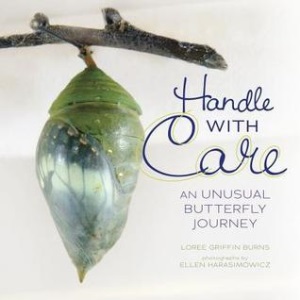 In Handle with Care: An Unusual Butterfly Journey, author Loree Griffin Burns explores the life cycle of butterflies alongside the work of a Costa Rican butterfly farm, where blue morpho butterflies are raised and the pupae eventually shipped to museums for display and observation. Detailed discussion of each stage in the butterfly life cycle — egg, larva, pupa, and adult — is accompanied by Ellen Harasimowicz's wonderfully sharp, close-up photographs that show intricate structural details, including a three-image sequence that illustrates the emergence of an adult blue morpho from its brilliant emerald-green pupa. (Millbrook, 6–9 years)
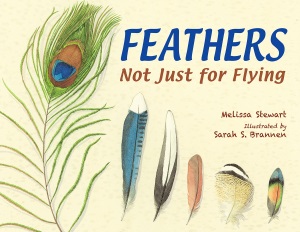 Melissa Stewart's Feathers: Not Just for Flying highlights the remarkable variety of birds' feathers — which, in addition to flight, provide birds with warmth and cooling, protection from the sun, and the ability to dig, swim, or glide. On each double-page spread, the simple main text points out the primary functions of the featured feathers, while more detailed information in text boxes covers facts specific to the representative species featured. Sarah S. Brannen's delicate watercolors include pictures of birds using their feathers for various purposes, and wonderfully detailed close-ups of the feathers themselves. (Charlesbridge, 6–9 years)
 There isn't a whole lot of prairie left in the United States, thanks to human farming and development. Plant a Pocket of Prairie author Phyllis Root and illustrator Betsy Bowen encourage readers to reverse this trend by planting native plants in their own backyards and watching what animals are attracted by each plant species. Mixed-media illustrations — block print, ink, and watercolor — of the flora and fauna are placed on white backgrounds, their chunky outlines a modern twist on botanical illustration. Although the description here is of the inhabitants of a Midwestern prairie, the conservation and restoration message is universal. (University of Minnesota, 6–9 years)
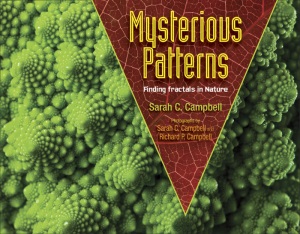 Wife-and-husband team Sarah C. Campbell and Richard P. Campbell make fractals accessible and engaging in Mysterious Patterns: Finding Fractals in Nature. Author Sarah Campbell begins with familiar man-made shapes, such as spheres, cones, and cylinders, as well as items in nature that approximate these perfect shapes. She then moves on to nature's "rough, bristly, and bumpy" shapes — complex shapes ignored by scientists until Benoit Mandelbrot coined the word fractals in 1975. Glossy, well-designed pages feature the Campbells' crisp, up-close photographs, which pair perfectly with the text — making this the go-to choice for introducing fractals to children (and grownups). (Boyds Mills, 6–9 years)
From the July 2014 issue of Notes from the Horn Book.


Added To Cart
RELATED


RECOMMENDED

Please register with us to continue reading.
ALREADY A SUBSCRIBER? LOG IN
We are currently offering this content for free. Sign up now to activate your personal profile, where you can save articles for future viewing.
ALREADY A SUBSCRIBER? LOG IN
Thank you for visiting.
We’ve noticed you are using a private browser. To continue, please log in or create an account.

Add Comment :-
Be the first reader to comment.
Comment Policy:
Comment should not be empty !!!