


2018 School Spending Survey Report
Fanfare 2025 Annotations
Welcome to Fanfare, our choices of the best books of 2025.

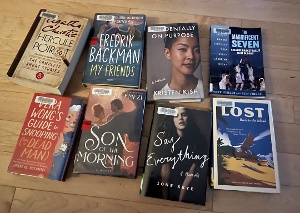 There’s nothing like a good library haul! Here’s mine, following the January/February 2026 Horn Book Magazine issue-to-press date. It’s the issue that begins our hundred-and-second year and contains all the 2025 Boston Globe–Horn Book Awards speeches along with Fanfare, our annual annotated “best of” list that Notes from the Horn Book readers get to preview today.
Selecting Fanfare is a process (see January/February editorial) and one that Horn Book editors do not take lightly. This year we chose forty-nine top recommendations (one is a series of three), spanning age ranges, genres, formats, and interests. We hope there will be something for everyone, though we realize not everything may be for everyone. But then again, just like my own best library visits, browsing can be at least half the fun.
During the holiday season, subscribe to the Horn Book Magazine for yourself and for a friend!
Elissa Gershowitz
Editor in Chief
Read more by and about Fanfare authors and illustrators here
Picture Books
 Sato the Rabbit: Morning Light
by Yuki Ainoya, illus. by the author, trans. from Japanese by Michael Blaskowsky; Enchanted Lion
(Preschool, Primary)
Sato plays with a narrow band of sunlight, using it to scoop up sparkles, gather sunshine, and stir his coffee. On another day, he wakes up to discover that his bedroom has become a floating lighthouse. Warm pastel-colored illustrations illuminate two adventures that need no conflict to be fully realized, absorbing, and sweetly funny. Review 9/25.
 The Moving Book
by Lisa Brown, illus. by the author; Porter/Holiday
(Primary)
The family from The Airport Book (rev. 5/16) and The Hospital Book (rev. 3/23) is on the brink of moving, with older brother reminiscing about all the other places they’ve lived. Lighthearted elements (especially the humorously unreliable narration) mix with more poignant ones. Arresting illustrations feature clear colors, clean lines, and a wealth of detail. Review 7/25.
 Fireworks
by Matthew Burgess, illus. by Cátia Chien; Clarion/HarperCollins
(Preschool, Primary)
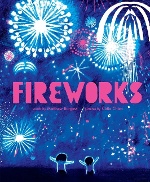
Two siblings enjoy a summer day that ends with an epic fireworks display. Burgess’s poetic text is packed with zesty sound effects and onomatopoeia. Chien’s evocative, childlike mixed-media illustrations pop and soar, creating a series of memorable images — a thrilling gatefold catches the display in all its splendor. Review 7/25.
 Island Storm
by Brian Floca, illus. by Sydney Smith; Porter/Holiday
(Preschool, Primary)
Themes of adventure and home, sibling closeness, and the majesty of nature are expertly conveyed through this deceptively simple story. Two children head outside to witness an intense storm approaching their island. Its arrival sends them running for the safety of home. The rhythmic, mesmerizing text is pure poetry; expressionistic watercolor and gouache illustrations are stunning. Review 7/25.
 Moon Song
by Michaela Goade, illus. by the author; Little, Brown
(Primary)
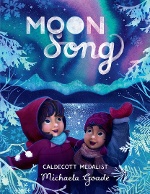
After a day spent fishing, clamming, and scouting for deer, an Indigenous girl begins a story to ease her cousin to sleep. The tale unfolds as a dreamlike nature walk with a reassuring refrain: “Come! Haagú! Follow the light.” Goade’s watercolor and mixed-media illustrations, intensely saturated with dark blues and purples, set a wondrous nighttime scene. Review 9/25.
 The House That Floated
by Guojing, illus. by the author; Random House Studio/Random
(Primary, Intermediate)
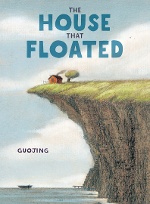
A family lives in a seaside cabin atop a steep cliff. Gorgeous soft-focus paneled illustrations wordlessly depict the family’s growth and change while the seasons come and go — and as the sea waters rise dramatically around them. Guojing presents a cinematic page-turner about creativity, resilience, and ingenuity. Review 9/25.
 When I Hear Spirituals
by Cheryl Willis Hudson, illus. by London Ladd; Holiday
(Primary, Intermediate)
A girl is introduced to spirituals in a rousing picture book. Each spread features lyrics from a different sacred song, whose meaning is reflected in Ladd’s evocative acrylic, colored-pencil, and cut-paper illustrations (e.g., a river baptism scene accompanied by “Wade in the Water”). Respectful and illuminating. Review 3/25.
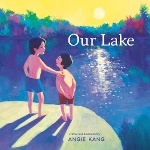 Our Lake
by Angie Kang, illus. by the author; Kokila/Penguin
(Primary)
The narrator hangs back, afraid, as “Brother” fearlessly dives into a lake but remembers earlier visits with Father to reclaim some former courage. Art in gouache with colored pencil and crayon is saturated with the colors of midsummer. A radiant reminder of how joy and connection can exist alongside grief and sadness. Review 5/25.
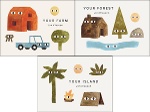 Your Farm
Your Forest
Your Island
by Jon Klassen, illus. by the author; Candlewick
(Preschool)
These three board books act as unassuming master classes in picture-book-making for the youngest listeners/viewers. Each introduces features of the titular place and adds them to the scenes, mimicking a toddler’s drawing activity. Brief, straightforward stories; spare ink and graphite illustrations; and expressive-eyed characters put Klassen’s minimalist style on full display. Review 1/25.
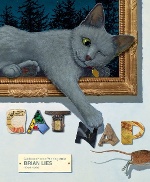 Cat Nap
by Brian Lies, illus. by the author; Greenwillow
(Primary)
At the start of this imaginative and brilliantly crafted book, Kitten chases a mouse into a framed poster from the Metropolitan Museum of Art. This pursuit takes them through nine disparate pieces in the Met’s collection, which Lies, using media ranging from acrylic to wood to plaster, expertly re-creates by hand. A prodigious achievement. Review 11/25.
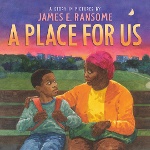 A Place for Us
by James E. Ransome, illus. by the author; Paulsen/Penguin
(Primary, Intermediate)
Affecting watercolor, colored-pencil, and graphite-pencil illustrations emphasize a mother and son’s everyday humanity in a wordless story about homelessness. Their familiar routine (school, dinner, library) coexists with the insecurity of their situation (the boy sleeps on a park bench while his mother keeps watch). The book poignantly puts faces to the many children and families who are unhoused. Review 9/25.
 Afloat
by Kirli Saunders, illus. by Freya Blackwood; Levine/Levine Querido
(Primary)
In spare, straightforward text, Saunders, a member of the Gunai people, writes about weaving, water, and wisdom through the practice of yarning. “We are here to collect the vines…to form bonds, to make ties…We are here to fly, here to shape this world together.” Blackwood’s illustrations use weaving patterns to especially magical effect. Review 3/25.
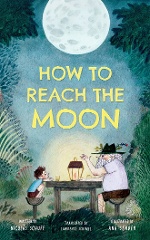 How to Reach the Moon
by Nicolás Schuff, illus. by Ana Sender, trans. from Spanish by Lawrence Schimel; Amazon Crossing Kids
(Primary)
Abuelo takes his grandson on an adventure in this ethereal, atmospheric Argentinian import. After a long trek through the forest, the loving duo reaches a lagoon, which reflects the moon. Then they leap thrillingly into its luminous silver circle. Sender’s pencil illustrations in muted forest greens and grays perfectly capture the immersive setting. Review 7/25.
 Anything
by Rebecca Stead, illus. by Gracey Zhang; Chronicle
(Primary)
A father and child, clearly heartbroken for a reason left undefined, mark their first day in a new apartment. Daddy grants three wishes, for “Anything” — including a wish “to go home” — then resourcefully transforms the unfamiliar place into one. This sensitive, stunningly rendered story will remain with readers, especially those weathering tough transitions. Review 3/25.
Read more by and about Fanfare authors and illustrators here
Fiction
 Rebellion 1776
by Laurie Halse Anderson; Dlouhy/Atheneum
(Middle School)
Thirteen-year-old maid Elsbeth Culpepper nurses a Patriot spy’s household through the inoculation process for smallpox after an epidemic ravages Boston in 1776. Anderson’s return to historical fiction highlights her mastery of the genre, with well-rounded characters, whip-smart first-person narration, thoroughly researched scenes, detailed storytelling, and timely subject matter. Review 5/25.
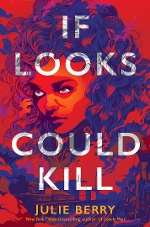 If Looks Could Kill
by Julie Berry; Simon
(High School)
Berry imagines a version of the Jack the Ripper case in an expansive historical, fantastical novel. Jack meets his match in a Salvation Army missionary girl who has the abilities of Medusa. Viewpoints rotate; the villain’s is savagely, repulsively misogynistic, but empowered young women standing up for one another make this riveting story a hopeful one. Review 9/25.
 Beasts
by Ingvild Bjerkeland, trans. from Norwegian by Rosie Hedger; Em Querido/Levine Querido
(Middle School, High School)
Beasts have invaded thirteen-year-old Abdi’s homeland, pursuing and killing everyone and everything. The government has collapsed; there’s no electricity; supermarkets are empty. When their mother is killed, Abdi flees with his little sister. The characters’ stalwart courage and love make this sleek, propulsive tale of survival unusually emotionally resonant. Review 7/25.
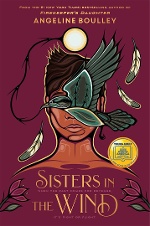 Sisters in the Wind
by Angeline Boulley; Holt
(High School)
Boulley’s latest gripping thriller poignantly expands familiar characters’ stories and introduces a compelling and sympathetic new heroine. Eighteen-year-old Lucy’s story is related in chapters that alternate between her present (in 2009, between the events of Firekeeper’s Daughter, rev. 5/21, and Warrior Girl Unearthed, rev. 5/23) and her past. Slowly unfolding, sometimes shocking revelations keep pages turning. Review 9/25.
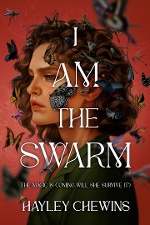 I Am the Swarm
by Hayley Chewins; Viking
(High School)
On her fifteenth birthday, Nell gains a magical gift — her emotions manifest as insects: ladybugs when she feels hopeful, beetles and flies in the presence of her abuser. Attempts to suppress her emotions lead to disordered eating, but over time she faces the swarm. Fluid verse immerses readers in Nell’s complex reality and her path to maturity and healing. Review 5/25.
 Night Light
by Michael Emberley, illus. by the author; Holiday
(Primary)
Imaginative play brightens up bedtime rituals in this funny, sincere comic for emerging readers. When a blackout interrupts a bedtime story for a pajama-wearing creature (Let’s Go!, rev. 1/23), their parent gets creative with a flashlight, the stars, and the apartment’s roof. Ever-changing panel configurations and layouts plus manipulation of color for lighting effects add complexity and delight. Review 3/25.
 Sọmadịna
by Akwaeke Emezi; Knopf
(High School)
When her twin brother is kidnapped, fifteen-year-old Sọmadịna sets out on a dangerous journey to rescue him and learn to harness the magical gift she fears. Emezi draws on their Igbo heritage to craft an immersive world, bringing it to life with absorbing prose that heightens the emotional impact of Sọmadịna’s haunting coming-of-age story. Review 5/25.
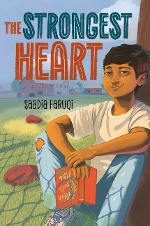 The Strongest Heart
by Saadia Faruqi; Quill Tree/HarperCollins
(Middle School)
Thirteen-year-old narrator Mohammad and his father, who has paranoid schizophrenia, move from Queens to Houston to stay with Mo’s aunt and cousin while his mother works at a refugee camp. Wisecracking, artistic Mo’s brave front and his interest in South Asian folktales make him an indelible protagonist. Secondary characters provide nuanced perspectives on coping with challenges. Review 5/25.
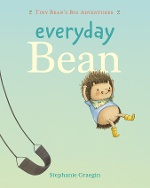 Everyday Bean
by Stephanie Graegin, illus. by the author; Tundra
(Primary)
This pitch-perfect collection of eleven brief stories for early readers introduces spirited hedgehog Bean and her patient caregiver, Grandma. Graegin’s text employs a skillful mix of simple and slightly more complex words and contains subtle, genuine humor. Cozy, earthy digital illustrations suit the critters’ natural setting, and lively, mixed-page design accentuates Bean’s playfulness. Review 7/25.
 Oasis
Oasis
by Guojing, illus. by the author; Godwin/Macmillan
(Intermediate, Middle School)
Trekking through a windswept futuristic landscape, siblings JieJie and DiDi find an obsolete AI robot, which they activate to play the role of mother. They develop a loving relationship, but how will it compare with their real mother? Themes of struggling for survival, preserving family connections, embracing humanity, and cultivating love resonate throughout this unforgettable graphic novel. Review 3/25.
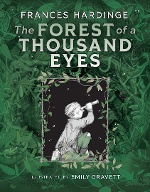 The Forest of a Thousand Eyes
by Frances Hardinge, illus. by Emily Gravett; Amulet/Abrams
(Intermediate, Middle School)
Feather and her isolated community live inside the Wall; the surrounding wild, invasive Forest and its hazardous creatures pose a constant threat. Feather’s quest to retrieve a stolen spyglass takes her beyond the Wall to face danger and the unknown. This short, suspenseful quasi-post-apocalyptic story is told through a skillful blend of fairy-tale prose and atmospheric art. Review 9/25.
 Titan of the Stars
by E. K. Johnston; Tundra
(High School)
Dire opening vignettes warn of trouble before the narrative begins at the launch of the Titan, a spaceship (with echoes of the Titanic) on its maiden voyage to Mars. Standard horror tropes (think gruesome deaths and Walking Dead–style body-snatching) are elevated by such authenticity that readers will never question the urgency of this riveting page-turner. Review 7/25.
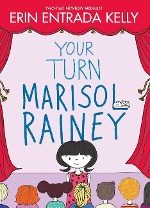 Your Turn Marisol Rainey
by Erin Entrada Kelly, illus. by the author; Greenwillow
(Primary, Intermediate)
Shy Marisol worries about sharing a haiku-writing assignment in front of the class. Her concerns about performing trigger writer’s block, increasing her anxiety. With its uncluttered layout, generous illustrations, and honest portrayal of a sensitive young girl, this chapter-book series entry has much to offer. Review 11/25.
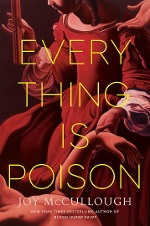 Everything Is Poison
by Joy McCullough; Dutton
(High School)
In an unforgettable novel of courage, chemistry, and female solidarity set in 1650s Rome, teenage Carmela must carry on her mother’s darkly subversive apothecary work. Warmly and dramatically, McCullough folds women’s hardships and mutual support into the engrossing tale of Carmela’s maturation in generosity, skill, and compassion. Review 3/25.
 How to Say Goodbye in Cuban
by Daniel Miyares, illus. by the author; Schwartz/Random
(Middle School)
This fictional graphic novel based on Miyares’s father’s childhood begins in late-1950s Cuba and traces the family’s experiences until they flee. Miyares offers a picture of pre-revolution life on the island and an honest look at complicated relationships within and among Cuban families following Castro’s takeover. Lush, sunset-hued ink and watercolor illustrations bring emotional depth to this immigration story. Review 11/25.
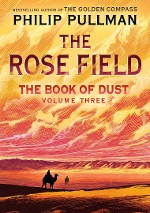 The Rose Field
by Philip Pullman; Knopf
(High School)
Still separated, twenty-year-old Lyra and her dæmon, Pan, each make their hazardous way east. Questions of imagination and meaning-making are fundamental to plot and character — and exciting to boot. Pullman is a consummate storyteller, expansive in narrative scope, sure of his destination, and forthright with unsettling implications. Review 1/26.
 Truth Is
by Hannah V. Sawyerr; Amulet/Abrams
(High School)
Truth Bangura is a senior on a slam poetry team. When a poem about her abortion goes viral, she faces judgment and a deteriorating relationship with her mother, and she pours her pain into her poetry. Verse and other formats (texts, quizzes, writing assignments) provide an intimate, immediate portrait of Truth’s fragmented emotional reality. Review 11/25.
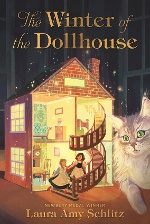 The Winter of the Dollhouse
by Laura Amy Schlitz; Candlewick
(Intermediate, Middle School)
The lives of an eleven-year-old girl, an elderly woman, and an antique doll intertwine in an innovatively told novel full of domestic drama and suspense. Doll stories frequently raise issues of power and agency; this one explores that territory with freshness and respect for the seriousness of children’s emotions. Review 9/25.
 Run Away with Me
by Brian Selznick, illus. by the author; Scholastic
(High School)
A sixteen-year-old American transplanted to Rome for the summer of 1986 meets an enigmatic Italian teenager. Known for most of the book only by the names they bestow on each other, “Danny” and “Angelo” are quickly swept into a relationship. Selznick’s first young adult work is imbued with romance and mystery, bookended with atmospheric illustrations in his signature style. Review 5/25.
 Song of a Blackbird
by Maria van Lieshout, illus. by the author; First Second
(Middle School, High School)
This deeply personal, poetic graphic novel with timelines set in 1943 and 2011 illustrates the heroic actions of everyday Dutch people resisting the Nazi regime and lingering trauma in subsequent generations. Van Lieshout seamlessly integrates black-and-white photographs, many from actual resistance group Underground Camera, into the panels and layouts of the expressive print-block style digital illustrations. Review 3/25.
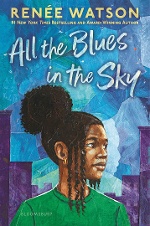 All the Blues in the Sky
by Renée Watson; Bloomsbury
(Middle School)
“I didn’t know / best friends could die.” This moving verse novel honestly portrays protagonist Sage’s emotions, which vacillate among sadness, anger, and guilt, as she processes her sudden loss. Watson wisely avoids neat resolutions as Sage learns how complex life, grief, and healing can be. Review 3/25.
Read more by and about Fanfare authors and illustrators here
Poetry
 How Elegant the Elephant: Poems About Animals and Insects
by Mary Ann Hoberman, illus. by Marla Frazee; Tingley/Little, Brown
(Primary)
Frazee’s delightfully energetic illustrations bring Hoberman’s verses together into a cohesive whole by setting them at an animal hotel. The deftly constructed poems, mostly previously published and selected by the late Hoberman, are full of whimsical wildlife observations. A hotel worth checking into — and a collaboration worth checking out. Review 5/25.
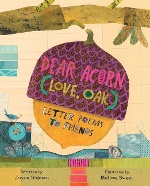 Dear Acorn (Love, Oak): Letter Poems to Friends
by Joyce Sidman, illus. by Melissa Sweet; Clarion/HarperCollins
(Primary)
In eight pairs of poems, Sidman creates dialogues between two subjects — often inanimate entities, but all with strong, distinct first-person voices. The poems are full of musical alliteration, vivid sensory imagery, and clever perspectives. Sweet’s colorful, textured mixed-media collages with varied palettes enhance these inventive pieces. Review 9/25.
Read more by and about Fanfare authors and illustrators here
Nonfiction
 How Sweet the Sound
by Kwame Alexander, illus. by Charly Palmer; Little, Brown
(Primary, Intermediate)
Lyrical free verse provides a tour of African American music, beginning in Africa and honoring the hymns and hopes of enslaved people, and touching on gospel music, the blues, jazz, soul, rock and roll, hip-hop, and rap. Vibrant acrylic paintings burst with color and movement, making a rewarding connection to the music. Review 3/25.
 White Lies: How the South Lost the Civil War, Then Rewrote the History
by Ann Bausum; Roaring Brook
(High School)
In direct language and concise chapters, Bausum presents twenty fallacies of the Lost Cause, a “series of lies” perpetuated by Confederates and their sympathizers, and then knocks them down one by one. Her illuminating writing encourages teen readers to make connections between falsehoods born in the nineteenth century and current societal ills. Review 9/25.
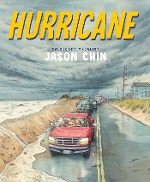 Hurricane
by Jason Chin, illus. by the author; Porter/Holiday
(Primary, Intermediate)
An examination of a hurricane (based on several real ones) on North Carolina’s Hatteras Island brilliantly alternates between actions of residents trying to stay safe and those of scientists tracking the storm. Chin skillfully integrates scientific context; stunning illustrations convey the power of massive weather phenomena and bring to life smaller-scale scenes. Review 7/25.
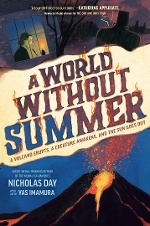 A World Without Summer: A Volcano Erupts, a Creature Awakens, and the Sun Goes Out
by Nicholas Day, illus. by Yas Imamura; Random House Studio/Random
(Intermediate, Middle School)
In 1815, the Indonesian volcano Tambora erupted with such explosive force that it changed Earth’s climate and thus the course of human history. Day’s remarkable narrative jumps through time and across the globe, pulling seemingly disparate threads together and breaking the fourth wall to question readers. Black-and-white art ranges from lively vignettes to dramatic full-page images. Review 11/25.
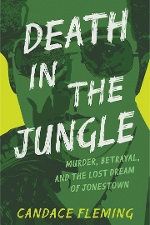 Death in the Jungle: Murder, Betrayal, and the Lost Dream of Jonestown
by Candace Fleming; Schwartz/Random
(Middle School, High School)
Through propulsive prose and meticulous research, Fleming tells readers how cult leader Jim Jones led his Peoples Temple followers to their deaths in 1978 Guyana. Interviews with survivors lend immediacy and authenticity. Outstanding both as a biography and as an examination of the pernicious power of cults over their followers. Review 5/25.
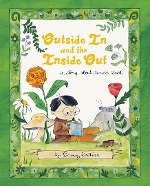 Outside In and the Inside Out: A Story About Arnold Lobel
by Emmy Kastner, illus. by the author; Viking
(Primary)
This warm, inviting picture-book biography explores children’s book author and illustrator Lobel’s life and inspirations. Text placement choices and quirky illustrations that often evoke the feel of his books pay homage without copying. Kastner’s detailed eye focuses on Lobel’s desire to bring what was inside himself out into the world. Review 11/25.
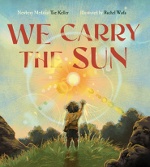 We Carry the Sun
by Tae Keller, illus. by Rachel Wada; Norton
(Primary, Intermediate)
An engaging picture book traces advances, setbacks, and breakthroughs in solar energy, from thousands of years ago when humans gathered under the sun’s rays for immediate heat to opportunities today and in the future. Wada’s full-bleed illustrations, both informative and bold, play brilliantly with light and dark and enhance Keller’s compelling, poetic text. Review 7/25.
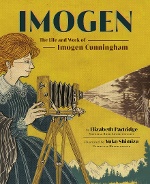 Imogen: The Life and Work of Imogen Cunningham
by Elizabeth Partridge, illus. by Yuko Shimizu; Viking
(Primary, Intermediate)
As described in Partridge’s captivating text, Cunningham (revealed in a note to be the author’s grandmother) built her early passion for photography into a celebrated career yielding a large body of diverse work. Shimizu’s illustrations, ink on watercolor paper with digital coloring, perfectly convey Cunningham’s indomitable spirit and the historical period. Review 9/25.
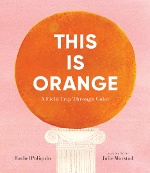 This Is Orange: A Field Trip Through Color
by Rachel Poliquin, illus. by Julie Morstad; Candlewick
(Primary, Intermediate)
This impressively encyclopedic, thoroughly researched tour takes readers through the history of orange. The frank, informative voice is never didactic or dull; dozens of orange hues are incorporated in the watercolor and chalk-pastel illustrations, with dazzling spreads depicting overflowing-with-orange locations everywhere from Central Park to a flower market in India. An enlightening, passionate treatise on the color. Review 11/25.
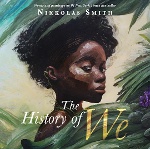 The History of We
by Nikkolas Smith, illus. by the author; Kokila/Penguin
(Primary, Intermediate)
About a quarter of a million years ago, “we” — modern humans — first appeared in Africa. Combining vibrant, painterly illustrations and short, lyrical, explanatory paragraphs, Smith outlines various groups’ major contributions, including acquiring language, making music and art, creating tools, growing crops, and developing and using medicines. Helpful back matter enriches the work. Review 7/25.
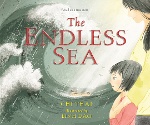 The Endless Sea
by Chi Thai, illus. by Linh Dao; Candlewick
(Primary)
A somber, moving semiautobiographical picture book relates the protagonist’s escape from postwar Vietnam, including a desperate sea journey in a small, overcrowded boat that sinks in a storm. The narrator survives but is haunted by memories of the many “who weren’t so lucky.” Evocative, powerful illustrations effectively contrast the dangers of the narrator’s ordeal with their eventual safety. Review 5/25.
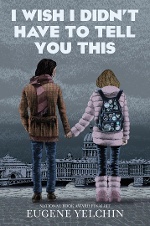 I Wish I Didn’t Have to Tell You This
by Eugene Yelchin, illus. by the author; Candlewick
(High School)
This graphic memoir begins in 1980 Leningrad, during Yelchin’s early adulthood. Tension builds as he moves from naiveté to political awareness; varying degrees of sharpness in the black-and-white panel illustrations reflect his changing understanding. Yelchin’s political and artistic coming of age provides a personal lens on an often-terrifyingly high-stakes situation. Review 9/25.
Read more by and about Fanfare authors and illustrators here


Added To Cart
RELATED


RECOMMENDED

Please register with us to continue reading.
ALREADY A SUBSCRIBER? LOG IN
We are currently offering this content for free. Sign up now to activate your personal profile, where you can save articles for future viewing.
ALREADY A SUBSCRIBER? LOG IN
Thank you for visiting.
We’ve noticed you are using a private browser. To continue, please log in or create an account.

Add Comment :-
Be the first reader to comment.
Comment Policy:
Comment should not be empty !!!