


2018 School Spending Survey Report

The Horn Book website has lots of material of interest to teachers. Here are some areas to explore. And follow us on Twitter: #lollysclass
|
Interviews with authors and illustrators Recommended books -- reviews and themed book lists |
School -- reading in school, author visits, and more Suggestion box: what else to you want to see in Lolly's Classroom? |
Making connections for middle schoolers
This is my first year at a standalone middle school (having previously worked in a high school and K-8), and it’s definitely been a learning experience! In addition to their struggles with reading, my 6th-8th graders bring a host of emotional & developmental issues to the table, all of which I’ve realized I need to carefully consider when selecting text!
One thing I’ve noticed about middle schoolers (and remember from my own experience as an adolescent!) is that they love connecting EVERYTHING — from reading to writing to science — back to themselves and their own life.
One thing I’ve noticed about middle schoolers (and remember from my own experience as an adolescent!) is that they love connecting EVERYTHING — from reading to writing to science — back to themselves and their own life. This can be challenging for my struggling readers, who often struggle to make any type of meaning, let alone meaningful self-connections.
So, my question is: What can I do? How can I help engage my students around texts that are meaningful and interesting?
One answer I’ve come up with is to group texts thematically, looking for overarching themes that I know are relevant to my students and the world around them. My 8th graders are currently grappling with the theme of equality What does this word mean? What does it look like in practice? What groups in our society are currently/have been historically marginalized? By reading a variety of texts that deal with various forms of equality & inequality, my students have gained background knowledge, been able to analyze the theme more deeply, and ultimately accessed meaning that might’ve escaped them had we not been diving into a theme. Below are some of the short stories I’ve used in our equality mini-unit — all of which are available (and free!) online:
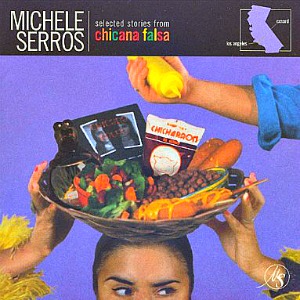 "Attention Shoppers" by Michele Serros
This (very!) short story makes for an excellent introduction to the theme of equality and what it looks like & means to different people. My students loved debating the actions of Martina (a teenager who becomes outraged at the perceived racism in the vegetable aisle at a Los Angeles supermarket) – was she going overboard, or was she justified? The story is short and funny, making it easily accessible to students, yet still has a rich vocabulary & themes that allow for deeper analysis.
 "Raymond’s Run" by Toni Cade Bambara
My students are always quick to talk about issues of discrimination based on race and gender. This story looks at discrimination based on age and disability, which often opens up new ways of thinking about equality for my students. Bambara’s use of tone and language is rich and interesting, and there are several audio recordings of "Raymond’s Run" online that are great for students to listen to.
 "Thank You, M’am" by Langston Hughes
This has long been one of my favorite stories for analyzing character development, and looking at it through the lens of equality gave my students a whole new understanding of Roger & Mrs. Luella Bates Washington Jones. We began the story by discussing common stereotypes, and finished by asking ourselves what messages Langston Hughes meant to send the reader about discrimination and judgment.
 "The Lottery" by Shirley Jackson
Always a classic, this story raises many questions about society, tradition, and equality. Is being technically “equal” always actually fair — and what are the benefits and downsides to equality? Do all traditions deserve to continue — and who should make that decision?
Equality is such a huge theme that is constantly touched upon in literature. Equality issues also come up frequently in society — many of my students have been following Donald Sterling’s NBA ban quite closely, tying some of his actions to the types of discrimination and inequality we’ve read about in class. By choosing big, overarching themes that can relate to many of our readings, my students feel more connected to the literature we read. And in middle school, connection is everything.

Added To Cart
RELATED


RECOMMENDED
Please register with us to continue reading.
ALREADY A SUBSCRIBER? LOG IN
We are currently offering this content for free. Sign up now to activate your personal profile, where you can save articles for future viewing.
ALREADY A SUBSCRIBER? LOG IN
Thank you for visiting.
We’ve noticed you are using a private browser. To continue, please log in or create an account.

Add Comment :-
Comment Policy:
Comment should not be empty !!!
Junia
I am bookmarking this! I love finding great short stories with solid themes. and the idea of categorizing them based on similar themes is really great.Posted : Jun 30, 2014 07:28